

01 Apr The historical evolution of casinos From ancient games to modern entertainment
The historical evolution of casinos From ancient games to modern entertainment
Origins of Gambling in Ancient Civilizations
The history of casinos can be traced back thousands of years to ancient civilizations, where gambling was a popular pastime. Archaeological findings in Mesopotamia reveal that dice were used as far back as 3000 BC. These early games served not only as entertainment but also had religious and social significance. In ancient China, tiles dating back to 2300 BC suggest that a form of gambling was practiced, showcasing the long-standing human attraction to games of chance. Players can also explore additional information at https://www.isnocon2025.in/, where strategies are discussed.
As societies evolved, so did gambling practices. The Romans, for instance, played various games that involved betting, and their love for games like dice led to the establishment of venues where people could gather to gamble. These early forms of gambling laid the groundwork for what would eventually evolve into the casinos we know today.
The Rise of Formalized Gambling Houses
The concept of a dedicated gambling house took shape during the Middle Ages in Europe. The first official gambling house, known as a ‘casino,’ opened its doors in Venice, Italy, in the 17th century. This establishment marked a significant shift as it provided a social space for gambling and entertainment. Wealthy patrons flocked to casinos to engage in games such as faro and the early forms of roulette, which became increasingly popular.
During this period, gambling began to be associated with a more refined lifestyle, attracting aristocrats and the upper class. The atmosphere of these early casinos was characterized by opulence, with lavish decor and live entertainment, setting the stage for modern casino culture.
Casinos in the Age of Enlightenment
The 18th century witnessed a boom in gambling establishments, particularly in France and England. The rise of the Enlightenment brought about new ideas and a growing fascination with games of chance. The establishment of the first official lottery in England in 1569 paved the way for more structured forms of gambling. This era saw the birth of iconic games such as baccarat and chemin de fer, which further enhanced the casino experience.
As gambling gained popularity, it also faced criticism and regulation. Governments began to take interest in the economic potential of casinos, leading to the development of laws governing gambling activities. This laid the foundation for modern regulations that oversee the industry today.
The Transformation of Casinos in the 20th Century
The 20th century brought significant changes to the casino landscape, particularly in the United States. The legalization of gambling in Nevada in 1931 marked a pivotal moment, leading to the establishment of Las Vegas as a gambling capital. The glitz and glamour of Las Vegas casinos, complete with extravagant shows and luxurious accommodations, attracted millions of visitors and shaped the modern perception of casinos.
During this era, the development of slot machines revolutionized gambling, making it accessible to a broader audience. These machines quickly became a staple in casinos, providing an easy and entertaining way to gamble. The advent of technology further transformed casinos with the introduction of electronic games and digital platforms.

Modern Online Casinos and Future Trends
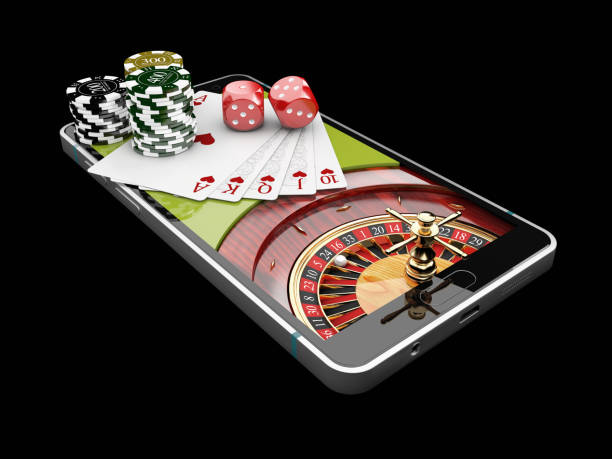
In recent years, the rise of the internet has dramatically changed the landscape of gambling. Online casinos have emerged, allowing players to enjoy their favorite games from the comfort of their homes. This evolution has been accompanied by innovations such as live dealer games and mobile gaming, making gambling more accessible and interactive than ever before.
Platforms like Aviator Game cater specifically to players, offering exciting gaming experiences and comprehensive guides. As technology continues to evolve, the future of casinos will likely see further integration of virtual and augmented reality, enhancing the entertainment experience for users.
Sorry, the comment form is closed at this time.